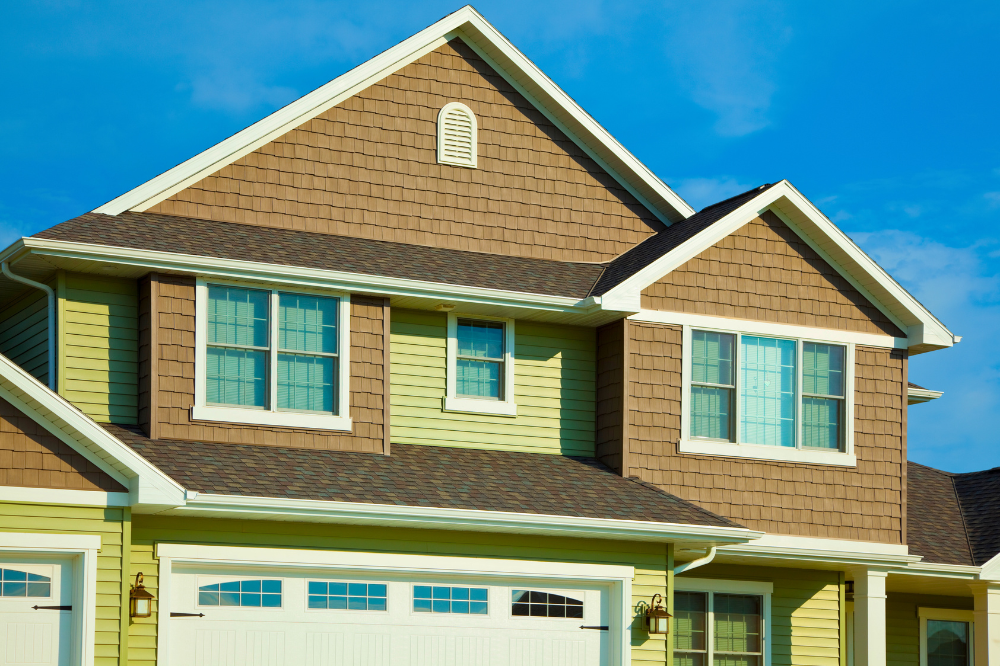
Siding is the protective layer used on your property to shield it from moisture, wind, heat, and climatic change. Any indication of bubbling and buckling of siding can be a warning sign of a problem that requires attention. We frequently assess properties where the siding is damaged for moisture issues, improper installation, or weathering. Being aware of the potential causes will help property owners know what to do next.
What Bubbling Siding Looks Like
When the siding bubbles, it tends to be noticeable through ripples, bumps, or swelling of the material. Sometimes the bubbling of the siding may even show up as a separation between the surface and the structure behind it.
Signs of Bubbling Siding
•Raised or bumpy surfaces.
•Bubbling of the material.
•Swelling or bulging of siding panels.
•Separation of the material from the wall.
What Buckling Siding Looks Like
Buckling occurs when the siding panels begin to form deformations and peel off the walls. The panels may be bent, warped, or not properly attached to the exterior wall.
Signs of Buckling Siding
•Outwardly bent siding panels.
•Siding panels loosely mounted.
•Wavy appearance in the exterior.
•Gaps between siding panels.
Main Causes of Bubbling or Buckling Siding:
Water Infiltration/Moisture Underneath Siding Panels
One of the biggest contributors to buckling or bubbling problems is moisture behind the siding. The water may come into the siding through any cracks, joints, seams, or due to poor drainage. We often check for moisture damage in siding material because the problem occurs underneath the surface. Signs that show a presence of moisture are:
•Mold and mildew around the siding panels.
•Water stains on the wall surfaces.
•Softness in the exterior surface.
•Musty odor near the affected area.
Excessive water seepage will eventually lead to damage to the structural base.
| Also Read: Cracked, Warped, or Rotting Siding |
Problems Caused by Improper Installation
Siding material expands or contracts due to fluctuations in temperature. Fitting them without adequate spacing will cause them to buckle. Errors that may occur during installation:
•Panels installed too tightly.
•Lack of spacing.
•Misaligned panels.
•Poor methods of fastening.
Improper installation usually results in buckling of the panels due to hot and humid conditions.
Sunlight Exposure and Warping
Direct exposure to sunlight and high temperatures can cause some siding materials to expand significantly. Repeated expansion and contraction will result in warping. Indicators of heat-induced damage:
•Buckling of the siding panels facing sunlight.
•Warping during hot months.
•Uneven expansion.
Heat damage may be worsened with prolonged exposure to heat.
Strong Winds and Storm Damage
High winds may cause siding panels to come loose, permitting moisture to seep behind them. Problems caused by storms are:
•Siding is coming loose after storms.
•Seams cracked because of storms.
•Water intrusion at edge areas.
•Loosened siding panels from strong winds.
Regular checks following stormy weather will make it possible to detect any exterior problems in their early stages.
Poor Ventilation Near the Home
A house with poor ventilation can develop excess moisture near the exterior walls. This could eventually lead to problems with the siding. Ventilation may be a factor if:
•There is condensation near the walls.
•There are repeated moisture problems.
•Mold is growing near siding areas.
Why It Is Important to Address These Issues Immediately
Warped siding could mean more water gets inside behind the panels. When water enters the interior, more serious repairs could be required. Things that can happen if you ignore this problem:
•Damage to structural wood.
•Formation of mold and mildew.
•Decreased energy efficiency.
•Water inside the home.
•Additional damage to the siding.
Addressing these issues early can prevent further damage from occurring to the exterior of your property.
How Professional Inspections Will Diagnose the Issue
There are many reasons why siding might be buckling or bubbling. The inspection will be conducted to ascertain what could have caused the issue- moisture, bad installation, weather effects, or age. Some of the aspects that we look at when inspecting siding include:
•Moisture inside the siding.
•Panel placement and fastening.
•Condition of the exterior walls.
•Cracks or gaps at seams.
•Water damage.
Exterior Maintenance Homeowners Should Perform
If any of the siding panels begin to bubble or buckle, schedule an inspection right away, as small problems tend to become bigger with continued exposure to rain and changing seasons. Things homeowners should do include:
•Check siding after storms.
•Look for signs of warping or gaps.
•Fix any cracks that you see.
•Be aware of any moisture damage.
Maintaining your exterior will help make your siding function better.
Good Installation Is Important for Siding Systems
Any siding system functions best when it has been installed properly and when regular inspections have been scheduled. Regular maintenance can help avoid any future moisture damage. Homeowners looking for siding repair in St. Louis, we can help you with bubbling and buckling siding to help avoid more serious problems in the future.
How Professional Inspections Can Protect Your Home
Being Professional Siding Contractors, we can help detect early signs to avoid future issues:
•Spot any movement of the siding.
•Address any moisture problems before they become problematic.
•Protect your exterior.
•Increase the life of your siding.
Inspections help to make your home last longer.
Conclusion: Bubbling or Buckling Siding Usually Means Something More Is Wrong
Bubbling or buckling of siding usually indicates a problem. It is important to address any warning signs to prevent damage to your home structure in the long run.
If you would like to schedule an inspection, contact Quality Roofing & Contracting today!