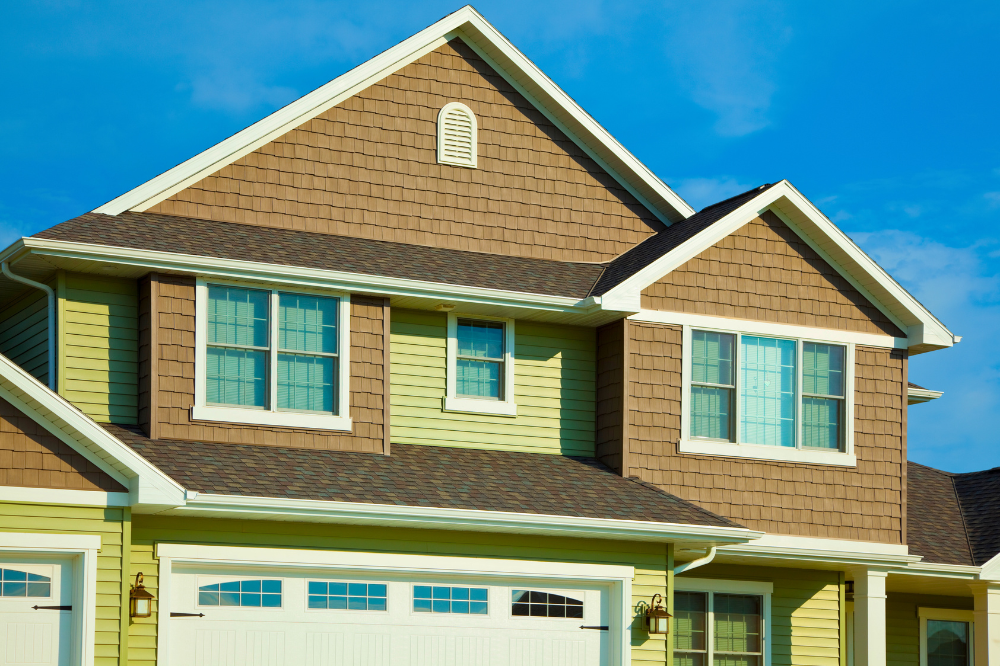
Not only does good siding make your property look nicer, but it also protects it from water and other elements, such as changing cold and hot temperatures. The weather changes that happen in St. Louis take their toll on the siding over the years when exposed to different types of storms and varying temperatures. Since we often notice many people ignore the first warning signs, it is important to identify them to avoid further issues later on.
1. Cracks and Other Forms of Surface Damage
The first signs of failing siding are usually cracks. The problem here is that even small cracks might let the water seep behind siding panels, eventually leading to mold and other major issues.
What to Look For When Identifying These Problems
Warning signs of bad siding include:
•Cracks in the siding panels.
•Chipped and broken corners.
•Storm-caused holes in siding.
•Warped siding panels.
•Siding panels that have come loose.
2. Warping and Bending of Siding Panels
Panel warping typically happens when moisture collects under the siding. With time, the panels may start separating from the house or become unevenly aligned. Siding damage due to water infiltration is common enough that we often check for it after severe storms.
Indicators of Warped Siding
•Siding panels bowing outwards.
•Siding panels are not evenly aligned.
•Uneven surfaces on the siding.
•Space between the siding panels.
Warped siding panels might lose their ability to keep moisture from penetrating the house.
| Also Read: Cracked, Warped, or Rotting Siding: How To Tell Which Problem You Actually Have |
3. Fading and Color Loss
Missouri siding panels are always subject to constant exposure to sun, rain, and humidity. Despite being a purely cosmetic issue, the loss of too much color may reflect on the age of the siding panels.
The Need for Prevention against Extreme Fading of Siding Panels
Extreme fading reveals signs of deterioration of the siding panels. Deteriorating siding becomes prone to cracking, moisture absorption, and even damage from environmental factors. In most cases, extremely faded siding requires constant maintenance.
4. Mold, Mildew, and Fungus Formation
The presence of mold or mildew on the walls outside might indicate moisture trapped within the siding. Such conditions typically result from problems with the siding and lead to moisture retention inside the wall structure for a long time. Issues associated with moisture should not be ignored, as they may affect both the siding and the building.
Signs to Look Out For
•Green and darker patches on the siding.
•Development of mildew on joints.
•Development of musty odors indoors.
•Weak spots in exterior walls.
5. Increased Utility Payments Year-Round
Defective siding can lead to outside air coming inside the building, which would reduce the efficiency of the HVAC system. They will need to work even harder during the hot summer months and cold winter periods. We commonly see energy efficiency issues due to older siding systems that fail to properly insulate the building.
Common Symptoms of Inefficient Siding
•Increasing heating bills.
•Growing cooling bills.
•Drafting around exterior walls.
•Unbalanced indoor temperatures.
6. Frequent Repair Needs on the Outside
Periodic siding repair work should be expected at times. However, frequent repairs often mean that the siding system is ready for replacement. Eventually, replacing the siding will become more worthwhile than repairing it.
Examples of When Repairs Start to Become Frequent
•Need to repaint often.
•Replace multiple siding panels frequently.
•Persistent moisture-related repair needs.
•Regular problems with storm damage.
7. Indicators Inside the House Caused by Siding Issues
The consequences of any siding issues do not remain outdoors at all times. Water damage inside the house is often related to moisture seeping through deteriorated siding.
Common Interior Indicators
•Interior paint is peeling off.
•Moist areas of drywall.
•Presence of water stains near the walls.
•Mold presence inside the home.
8. Weather Damages May Reduce Siding Durability
Conditions such as wind, hail, rain, and temperature changes affect the durability of the siding. Any damage sustained during a storm could gradually compromise the effectiveness of the siding.
Common Siding Damages Caused by Storms
•Siding panels are dented because of storms.
•Loosened parts after windy weather.
•Cracks from hail impacts.
•Moisture penetration between siding parts.
Inspections will prevent further damage caused by storms.
| Also Read: Why Is My Siding Bubbling Or Buckling? Causes and What to Do Next |
9. Roof Damage Indicated by Rotting Areas Near the House
If siding lets moisture penetrate through the house structure, wooden elements under it can start rotting. All loose and soft elements near walls need to be checked immediately.
Structural Damage Signs
•Loosened sections of siding.
•Peeling or bubbling paint.
•Damaged wooden sections near walls.
•Moisture-damaged wood.
10. The Age of the Current Siding Is Important
The most durable siding products can ultimately fail once they have been subjected to the effects of weathering for several years. Older siding may no longer be able to protect against moisture and provide temperature control within your house.
Signs that Age is Impacting Siding Effectiveness
•Increased cracks.
•The color starts fading.
•Loose fasteners.
•Frequent repairs.
Siding that has been around for a while generally requires more upkeep to preserve its effectiveness.
Why Professional Siding Inspections Are Essential
-Selecting the Right Professionals for Your Siding
Siding installation and repairs are essential when you consider long-term home protection. Lack of proper workmanship can cause problems such as moisture issues, unstable panels, and reduced lifespan. Homeowners in search of siding contractors St Louis MO are advised to select experienced siding specialists who help keep their home protected from Missouri’s ever-changing climate.
-How We Protect the Exterior Areas
Our company provides a range of services, including siding, Roofing Replacement, gutter installation, and more. Our team assesses the condition of your siding and advises accordingly, considering the condition of the panels. We provide exterior solutions that improve home performance when it comes to protecting your house from moisture and storm damage.
Conclusion: Replacing Siding Early Will Help Avoid Future Issues
Not repairing siding when needed can cause damage by moisture, loss of energy efficiency, and even structural damage. Thus, it becomes clear why paying attention to these signs from the beginning is crucial to save your home from further damage and avoid additional expenses.
If you feel your siding requires an inspection or replacement, visit us and see what we can do for your home, no matter what season it is. Why wait any longer? Get in touch with Quality Roofing & Contracting today!